Several national nonprofit organizations share a similar mission with Wild Ones in promoting native plant communities, biodiversity, and ecological landscaping. This is the first in a series of nonprofit organizations whose work aligns with the Wild Ones mission to promote native landscapes through education, advocacy and collaborative action, with a shared vision of native plants and natural landscapes thriving in every community.
Xerces Society for Invertebrates Conservation
The Xerces Society for Invertebrate Conservation aligns closely with the Wild Ones mission and vision by focusing on habitat restoration to support pollinators and other invertebrates. Xerces provides the scientific foundation and practical resources necessary to create thriving, biodiverse environments. While Wild Ones focuses on educating the public and creating native plant communities, Xerces supplies the technical expertise on which insects need those plants, such as through their pollinator conservation guides and habitat restoration tools. By actively advocating for policies that reduce pesticide use and protecting endangered, at-risk invertebrate species, Xerces ensures that the habitats created by Wild Ones members are safe, sustainable, and capable of supporting essential pollinators and beneficial insects. Iinitiatives like the “Bring Back the Pollinators” campaign and habitat kits align with the Wild Ones vision of having native plants and natural landscapes in every community, working together to “knit back together” the fabric of biodiversity, as stated by Xerces Executive Director Scott Hoffman Black.
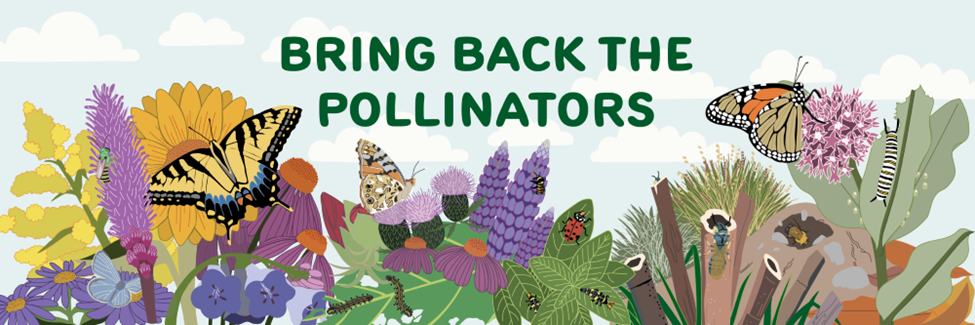
On February 10, 2026, Xerces officially relaunched their Bring Back the Pollinators (BBTP) campaign. “Although pollinator conservation is a big task, it all begins with each of us adopting four simple steps: growing pollinator-friendly flowers, providing nest sites and shelter, avoiding pesticides, and spreading the word. With these core values, you can create conditions to support the entire life cycle of pollinators in any location, whether you tend an urban community garden or a suburban yard, work in a city park or on a farm. Make your commitment to these four principles official by signing our Pollinator Protection Pledge!” ~ Xerces
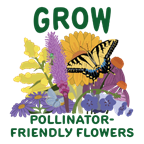
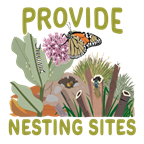
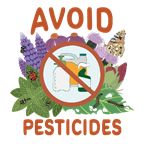
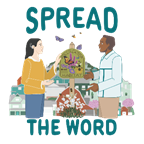
Regardless of where you are on your pollinator conservation journey, Xerces has resources to support you with the four pollinator pledge actions.
When you take the pledge, you’ll receive their quarterly BBTP newsletter with habitat tips, pest management examples, and stories. They’ll also include information about events, such as live quarterly Q&A sessions with Xerces experts where we’ll answer questions on each principle of the pledge, and their regular Xerces webinars and Bug Banter podcast episodes, which will explore topics in more depth.
Get on the Map!
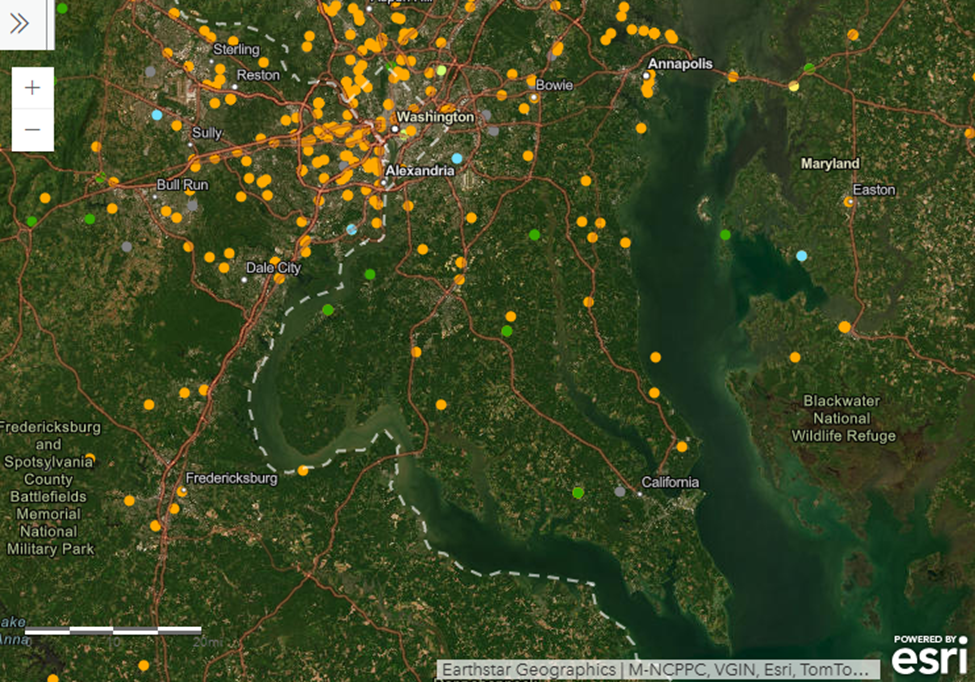
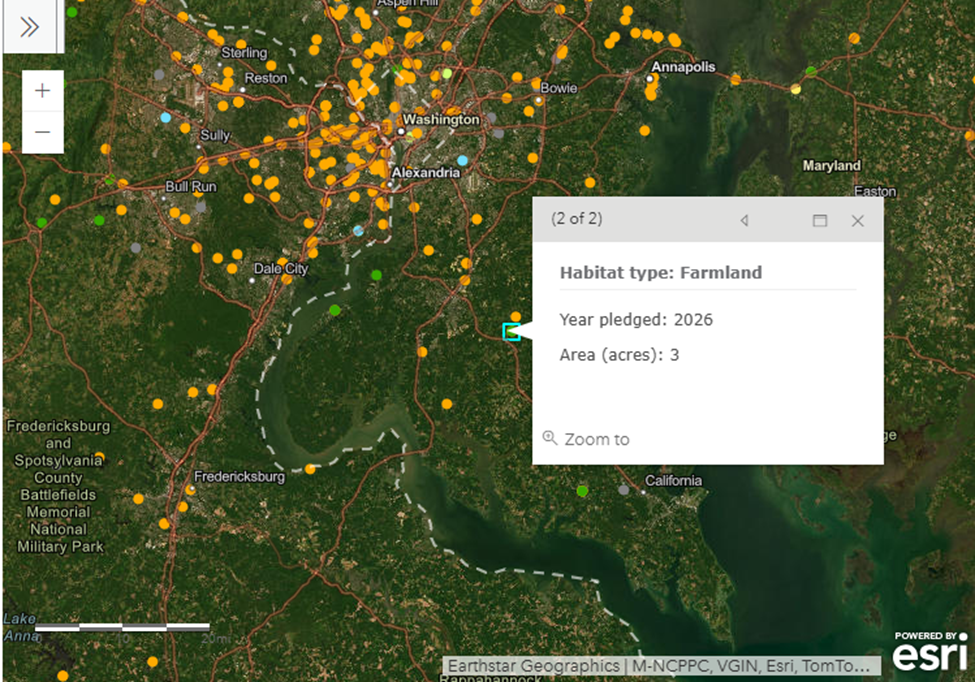
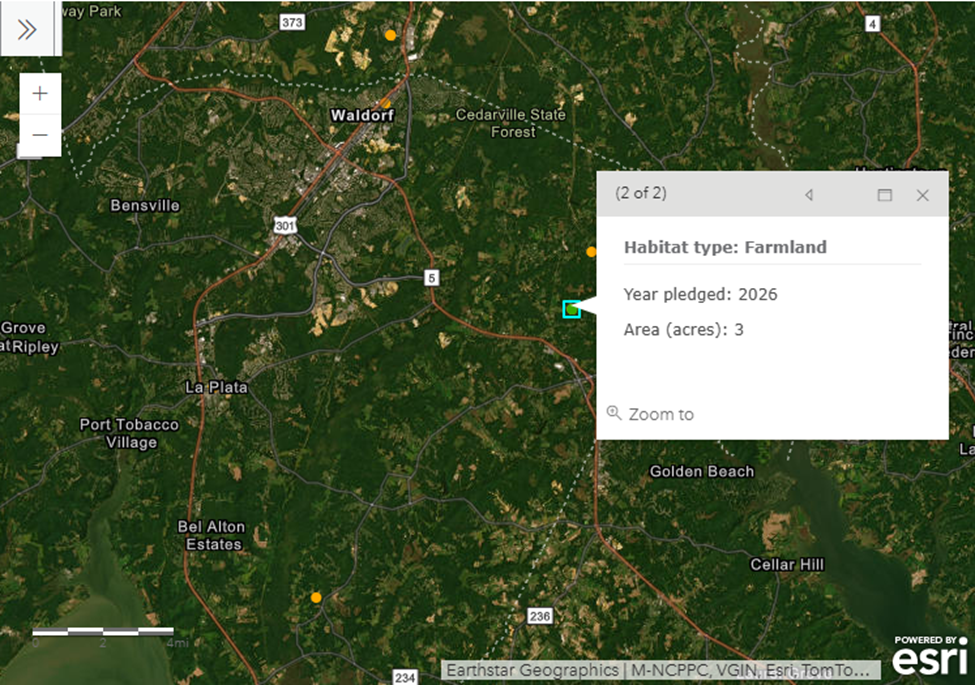
Please join the global movement to protect pollinators! View an interactive map of your fellow pledge-takers! It only takes a minute to take the pledge and get your pollinator habitat on the map. I know that Southern Maryland and the Chesapeake Bay region have a lot more pollinator habitat than currently displayed on the map, so please consider taking the pledge today.
Upcoming Xerces Webinar
Don’t miss the opportunity to catch the upcoming Xerces webinar on Wednesday, March 11, 2026, from 1-2 pm ET
Bring Back the Pollinator Pledge Q&A: Planting for Pollinators!
with Aaron Anderson, Steve Armstead, Jessa Kay Cruz, Stephanie Frischie, Olivia Matise, Julie Michaelson, Ray Moranz, and Stefanie Steele.
Resources
If you are like many ecological gardeners that left the stems and seed heads standing in your gardens last fall to provide food and shelter for wildlife, I encourage you to resist the urge to cut them back as the weather starts to warm. There is a misconception that cutting back stems when daytime temperatures are consistently at or above 50-degrees F for 5–7 consecutive days is best practice, but this advice is flawed for several reasons. Read more in our recent Facebook post. And Save the Stems, How To Create Nesting Habitat for Native Bees
Check out this blog from 2022, For Wildlife and Humans, Native Plants Are a Key to Climate Resilience, written by Matthew Shepherd, Xerces Director of Outreach and Education.
Xerces has a robust Publications Library of downloadable resources on their website, including several for our region:
- Native Plants for Pollinators and Beneficial Insects: Mid-Atlantic Region
- Monarch Nectar Plants: Mid-Atlantic
- Monarchs and Milkweeds: Eastern U.S.
- Roadside Habitats for Monarchs
- Nesting and Overwintering Habitat
- Conserving The Jewels Of The Night: Firefly-Friendly Lighting Practices
- Save the Stems, How To Create Nesting Habitat for Native Bees
- Smarter Pest Management: Protecting Pollinators at Home
Questions?
Please reach out to us at [email protected] with any questions.
Wild Ones Chesapeake Bay is deeply rooted in native plants and cultivating partnerships, while striving to educate, advocate, and collaborate to connect people and native plants for a healthy planet. Our vision is native plants and natural landscapes thriving in every community. Check out our Events page, Google calendar, Facebook, and/or Instagram for our upcoming events. And don’t forget to subscribe to our new YouTube channel and email subscriber list!
