Over time, our gardens and our garden practices change, and that’s ok. And quite frankly, it’s to be expected. I often say “when we know better, we do better.” One of the many things I’ve learned over the years – native gardens are not “no maintenance”, but they can be lower maintenance, especially this time of year.
Just Say No to Fall Cleanup
As plants shift their focus to prepare for winter dormancy, many will set seed, their foliage will die back, and their roots will spread. Deciduous trees will lose their leaves. Ecological gardening practices remind us to resist the temptation to cut stems to the ground or remove fallen leaves from beds.
“Maybe you already know that leaving your leaves helps wildlife. Or maybe you’ve never thought twice about raking or mowing. Either way, there’s more here than “just leave them.” Does a thick layer hurt your lawn? Should you shred instead? What do you actually do with the extra pile? We answered the questions people ask most, along with real photos of what’s living in the leaf layer.” ~ Homegrown National Park
Some ways of handling your leaves help. Others hurt. Where do you fall on this list? Leaving your leaves where they fall does the most good. It’s the richest habitat for overwintering insects, toads, and salamanders, while feeding your soil. Bagging, burning, or trashing does the opposite. It removes both the habitat and the nutrients your yard needs. Everything in between still counts.
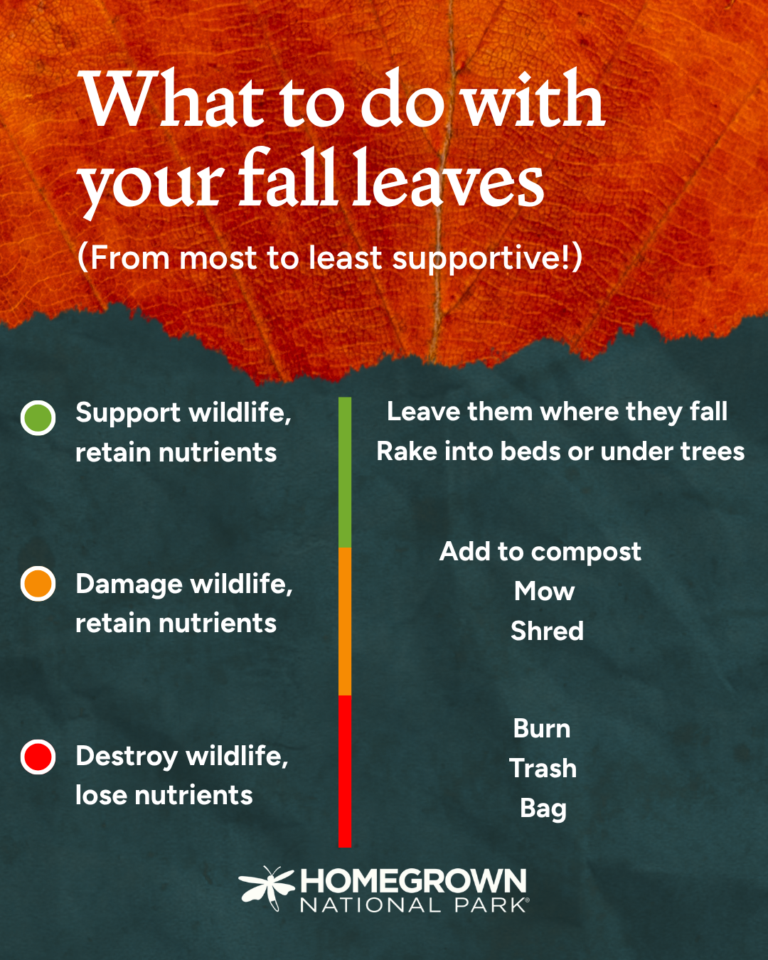
“How you handle your leaves can make a big difference for the wildlife in your yard and the soil that depends on them. The more leaves that stay on your property and undisturbed, the better. Even small shifts up this list matter. Each step closer to “leave them where they fall” gives nature more of what it needs to thrive right where you live.” ~ Leave the Leaves Guide, Homegrown National Park
Leave the leaves resources
- Leave the Leaves!, Xerces Society blog, September 17, 2026
- Managing Leaves to Maximize Biodiversity, webinar featuring Max Ferlauto, Cornell Lab Garden for Birds, September 11, 2026
- How Leaving Fallen Leaves Helps Pollinators Thrive, SLM Native Bloom Haven blog, September 1, 2026
- October is National Leave the Leaves Month!, WOCB blog, October 20, 2025
- Lessons With the Leaves, Wild Ones blog, October 14, 2025
- Leave the leaves!, Wild Ones blog, October 2, 2023
- Leave the leaves!, Wild Ones Journal Excerpt, Fall 2022
What to do instead
So what’s a native gardener to do with their time saved by leaving leaves and stems? Focus on collecting seeds for starting new plants, sharing with friends, or donating to a local seed library. As you collect seeds, take note of any editing that might benefit your garden. Although we may spend countless hours researching a plant’s growing conditions and growth habits, a plant’s performance is greatly influenced by local environmental conditions in which some will excel and some will underperform our expectations. And that means we may find ourselves editing the garden from season to season, or year to year. What do I mean by editing? Adding new plants, moving existing plants, and dividing crowded plants in the fall will ensure plants are ready to spring forth when next spring arrives. Here’s a helpful table on Dividing Native Perennials from the Master Gardeners of Northern Virginia that includes the root type of each plant, the best season for division, and specific advice on frequency and manner of division.
Gardens are never done – always changing, ever evolving. It’s part of their wonder and charm.
Upcoming Events
Thank you to chapter members who were involved in activities and events last month! Our upcoming events have something for everyone, and volunteers are always welcome! If you would like to volunteer at any of our upcoming events or at our garden workdays, please email us. We rely on volunteers to help make our events successful and to make our garden workdays so much fun. Many hands make light work! Your support helps our chapter grow and ensures our vision of native plants and natural landscapes thriving in every community.
Tots in the Front Yard: Fall in the Front Yard!
📆 Saturday, October 3, 2026
⏰ 10:00 am – 12:00 pm
📍Leonardtown Library, 23630 Hayden Farm Ln, Leonardtown, MD, 20650 Map
Fall in the Front Yard! – Enjoy exploring the fall garden’s colors, smells, sights, sounds and perhaps tastes In the Leonardtown Library’s Front Yard Garden.
Wild Ones Chesapeake Bay & Nurture Natives Fall Tree & Shrub Giveaway
📆 Saturday, October 10, 2026
⏰ 9:00am – 12:00pm
📍College of Southern Maryland Regional Hughesville Campus, 6105 Foster Ln, Hughesville, MD, 20637 Map
We are so excited for you to join us for our Fall Native Tree and Shrub Giveaway!
Looking for free native trees? Join Wild Ones Chesapeake Bay and Nurture Natives for our 2026 Fall Native Tree and Shrub Giveaway! All trees and shrubs were donated, rescued, grown from bare‑root saplings, or started from seed by WOCB and NN.
Buffer Garden Planting
📆 Saturday, October 17, 2026
⏰ 10:00am – 2:00pm
📍Chesapeake Beach Railway Trail, 3955 Gordon Stinnett Ave, Chesapeake Beach, MD, 20732 Map
Bring your family and friends to plant a Buffer Garden on the Railway Trail to protect Fishing Creek.
Free giveaways include:
* Native plants from Wild Ones Chesapeake Bay
* Gift Certificates from local nursery
* Rain Barrels
Make a Difference Day 2026
📆 Saturday, October 24, 2026
⏰ 10:00am – 12:00pm
📍B&A Trail Ranger Station, 51 W Earleigh Heights Rd, Severna Park, MD, 21146 Map
Join the Friends of Anne Arundel County Trails to celebrate how YOU can make a difference for birds, bees, butterflies, and more along our trails and in your backyard! The main event will be a FREE native plant giveaway with our friends from Wild Ones Chesapeake Bay at the Earleigh Heights Ranger Station in Severna Park!
Native Plant and Seed Swap and Share
📆 Saturday, October 31, 2026
⏰ 10:00am – 12:00pm
📍Leonardtown Library, 23260 Hayden Farm Ln, Leonardtown, MD, 20650 Map
Bring your native plants and seeds to trade with other gardeners at this annual native plant swap at the “Front Yard” native gardens. Fall is the best time for planting, so this event is a great way to add new plants to your native gardens and to obtain seeds for winter sowing native plants. This free event offers both experienced and new gardeners a chance to add native plants to their yards. In doing so, you will be creating habitat for our native birds, bees and butterflies.
Recent News Blogs
If you’re not following our News blogs, please check them out. This is one of the ways we keep our members and community up to date on what’s happening in our chapter. As always, we invite all members to contribute to our chapter’s News blog and/or social media channels. If you have anything related to native plants that you’d like to write about for publication on our News blog or social media, please email us, along with any photos or videos, and we’ll be happy to publish them. Likewise, if your work in the community has been recognized in the media or if you’ve received an award, please let us know so we can share it with our chapter members and the national office. We know our members are doing a lot of great work out in our community, and we’d like to share and recognize your accomplishments!
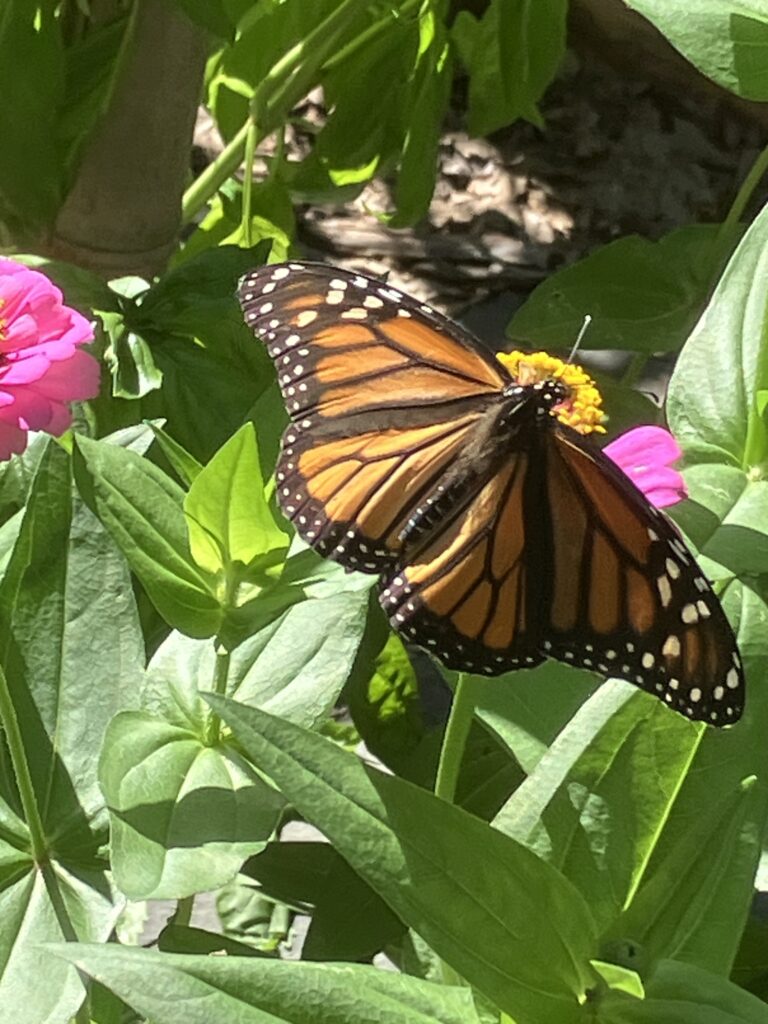
Monarchs, Milkweed, Migration, and More
With the arrival of the fall equinox on September 22, environmental triggers mean the days are drawing near for our migratory garden visitors to take flight and head south. While I will dearly miss the hummingbirds, dragonflies, and monarchs when they leave later this fall, I will continue to enjoy them for a few more weeks and will look forward to their reliable return to my garden next spring. Read more…
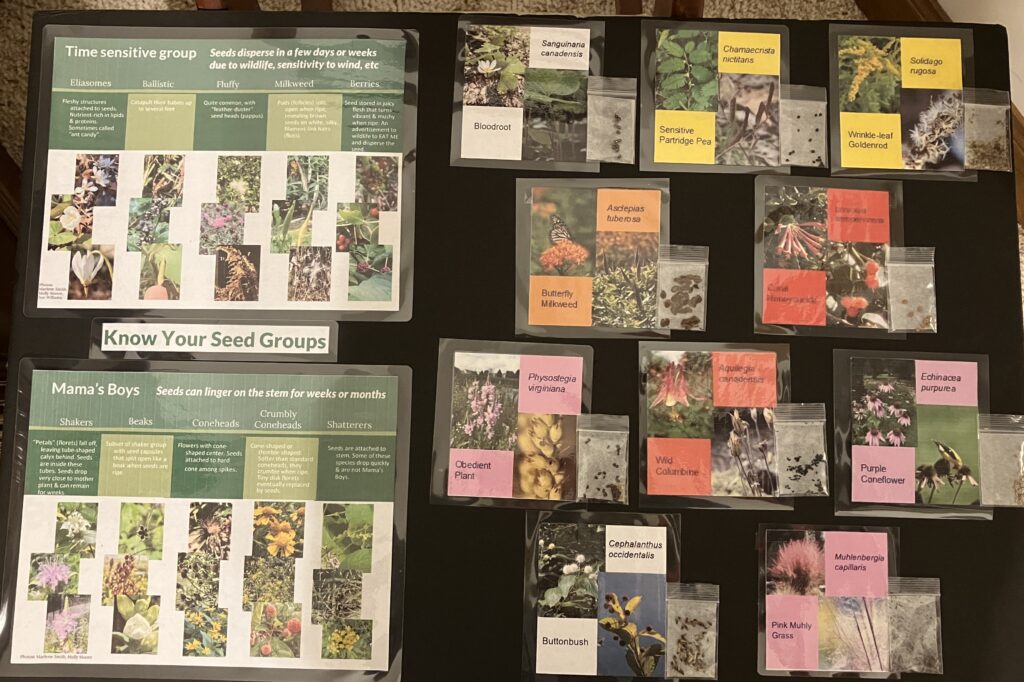
Fall is the best time for planting! Or is it? Part 2
In our last blog, we discussed when to plant container-grown plants (seedlings, plugs, etc.). In this second in a two-part series, we’ll discuss when to plant seeds. For many native plant enthusiasts, nothing beats the thrill that comes from planting a native seed and watching it germinate and thrive into a plant that provides ecosystem services for insects, birds, and other wildlife. Then we collect seeds and start the whole cycle over again. Just as there are nuances for how and when to plant plants, there are nuances to starting plants from seeds. Read more…
Fall is the best time for planting! Or is it?
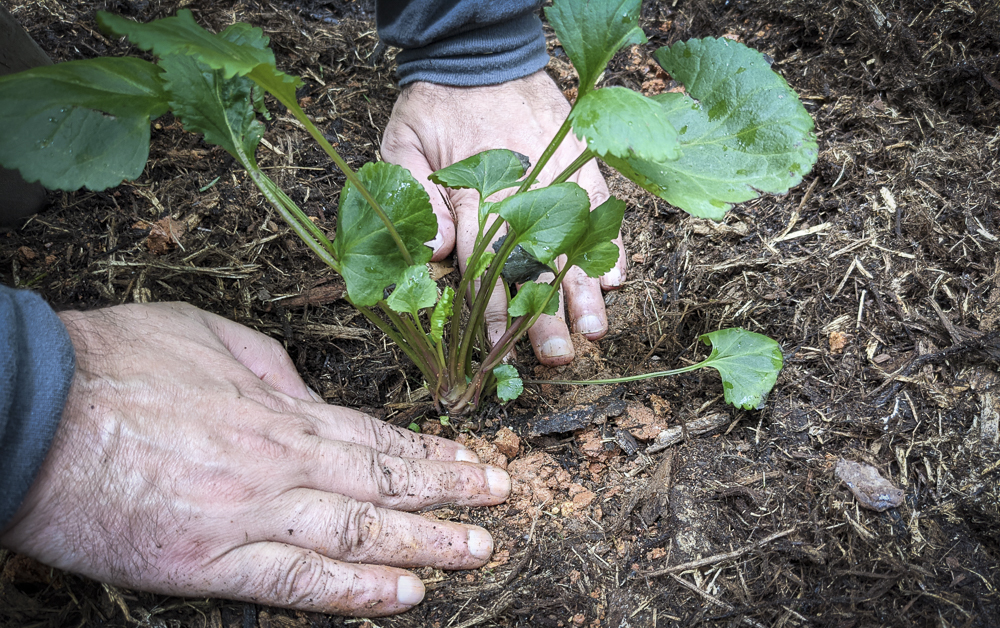
In our last newsletter, we suggested that fall is the best time for planting. Although this is a generally accepted concept in the horticulture trade, digging a bit deeper into resources for planting seeds and container-grown plants opened my eyes to the nuances of when is the best time to plant. In this first of a two-part series, we’ll discuss when to plant container-grown plants (seedlings, plugs, etc.). In Part 2, we’ll discuss when to plant seeds. Read more…
September 2026 WOCB Chapter Pulse
Experts agree…. Fall is the best time for planting, and with the arrival of meteorological fall on September 1st, Wild Ones Chesapeake Bay is ready to help your garden thrive with a wide selection of events where we will be distributing more native plants throughout our region! From native plant sales, to plant swaps, to free giveaways, we’ve got you covered! Read more…
ICYMI (In Case You Missed It)
Fall is here, and so is the fall issue of the Wild Ones Journal!  Inside this issue:
- How pioneer plants help restore disturbed soils and support ecological recovery
- The hidden world of roots and how they help plants survive drought and other environmental challenges
- How community science contributes to conservation and ways you can get involved
- Why shrinking your lawn can benefit wildlife, water quality and the environment
- Meet Wild Ones members transforming their yards into Certified Native Habitats
- How school pollinator gardens are inspiring students and creating outdoor learning opportunities
- A look at Frank Lloyd Wright’s approach to naturalistic landscape design
This issue continues the Journal’s 2026 theme, The Year of Climate Action, exploring the living world beneath our feet and how healthy soils and native plants contribute to climate resilience.
As the seasons change, take a little time to settle in and discover what’s happening beneath the surface. Members (log in to your Wild Ones account) can read the full issue here.
Wildly appreciative of your continued support!
✍️M.Smith
Wild Ones Chesapeake Bay is deeply rooted in native plants and cultivating partnerships, while striving to educate, advocate, and collaborate to connect people and native plants for a healthy planet. Our vision is native plants and natural landscapes thriving in every community. Check out our Events page, Google calendar, Facebook, and/or Instagram for our upcoming events. And don’t forget to subscribe to our new YouTube channel and email subscriber list!
