
Attendees of our March Garden Chat were treated to an inspiring presentation by chapter member, Miranda Yourick, owner of Earthly Delights Native Gardening. Miranda’s presentation “The Garden is a Mirror”, made me realize that I have a wild, witchy, whimsical garden, accented with paths and architectural elements that bring me joy. We hope you enjoy the presentation and come away with answers to these questions. – What’s your garden style? What brings you joy?
“The Garden is a Mirror”
While natural spaces are wild and beholden to the laws of nature, gardens are constructed by humans who wish to embody particular aesthetics. Perhaps you want a naturalistic look but need to appease the HOA? Maybe you want a cottage garden like your grandmother’s but filled with native plants instead of the traditional roses and foxgloves? Miranda will introduce you to some guiding principles for designing your garden as a place of comfort, excitement, and beauty that reflects your personal style and practical needs while also supporting the wildlife in your backyard.
About the Speaker:
Miranda found her passion for native plants after buying her first home in 2023. Beginning with zero gardens, she stumbled through the process of creating them and made a ton of mistakes along the way. A chance encounter led her to volunteering at the USGS Bee Lab with Wild Ones Chesapeake Bay, where she soaked up as much information as possible about propagating and identifying native plants. Miranda is no stranger to learning scientific names, as she holds a PhD in Biology where she studied the genetics of fishes. Miranda has more than a decade of teaching experience in traditional classrooms, community outreach, and hands-on learning.
Designing gardens is an exercise in art and science, both of which Miranda is enamored with. She hopes to help create natural spaces that delight the senses while supporting habitat for wildlife. When not gardening, you can find her listening to audiobooks from the science-fiction or horror genres, hiking (stopping often to look at everything), or learning enumerable new crafts. One such craft is linocut – which is how she designed the Earthly Delights logo. Favorite native plant – Wild Columbine, Aquilegia canadensis
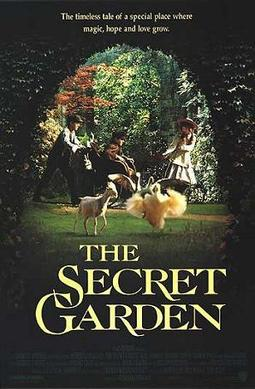
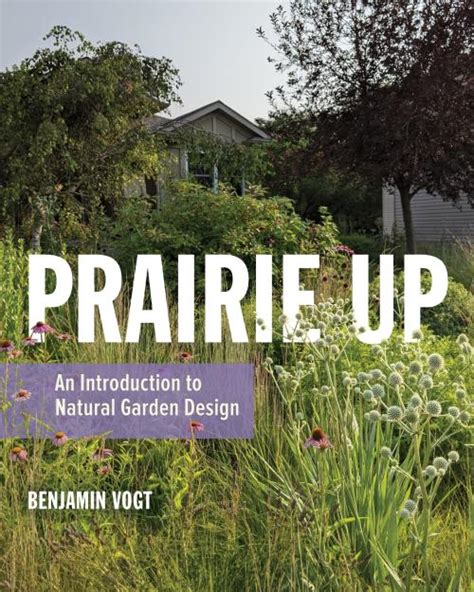
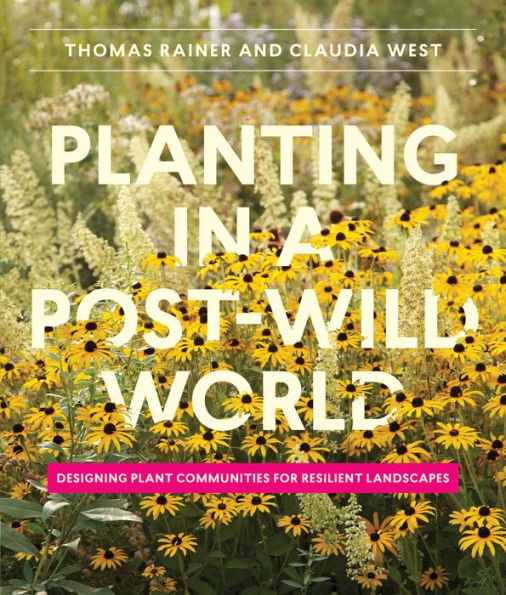
Miranda draws much of her inspiration from a favorite movie, The Secret Garden, and two of her favorite books on native garden design, Prairie Up (by Benjamin Vogt) and Planting in a Post Wild World (by Thomas Rainer and Claudia West). She recommends the FAQ Starter Guide, by Vogt, as she “thinks this has everything people might need!”
Miranda introduced us the concept of “Color Ranges of Green” as it relates to garden design. This was a new concept for many. As Rainier and West explain:
One of the unique features of native grasslands is the visual similarity of textures and shades of green. As a results, these communities have a strong sense of legibility and authenticity. Harmonious ranges of color and texture signal that a planting has evolved with the site over many decades. The slow process of competition and evolution results in a rich relationship of plants to place, producing plants that have similar colors and textures to each other and the site itself. We may perceive the harmony subconsciously, but we are not always aware of it. Some planting feels dissonant to us, and a difference in color and texture is often the cause.
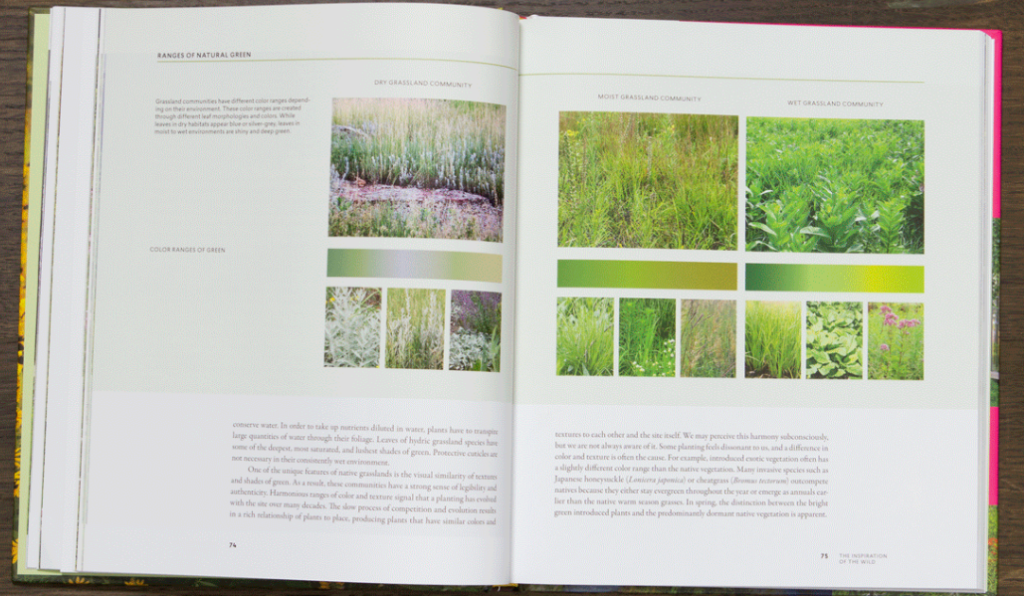
“Grassland communities have different color ranges depending on their environment. These color ranges are created through different leaf morphologies and colors. While leaves in dry habitats appear blue or silver-gray, leaves in moist to wet environments are shiny and deep green.” Source: Planting in a Post Wild World
Additional Links and Resources:
To supplement the references recommended by Miranda, also check out these recently published books:
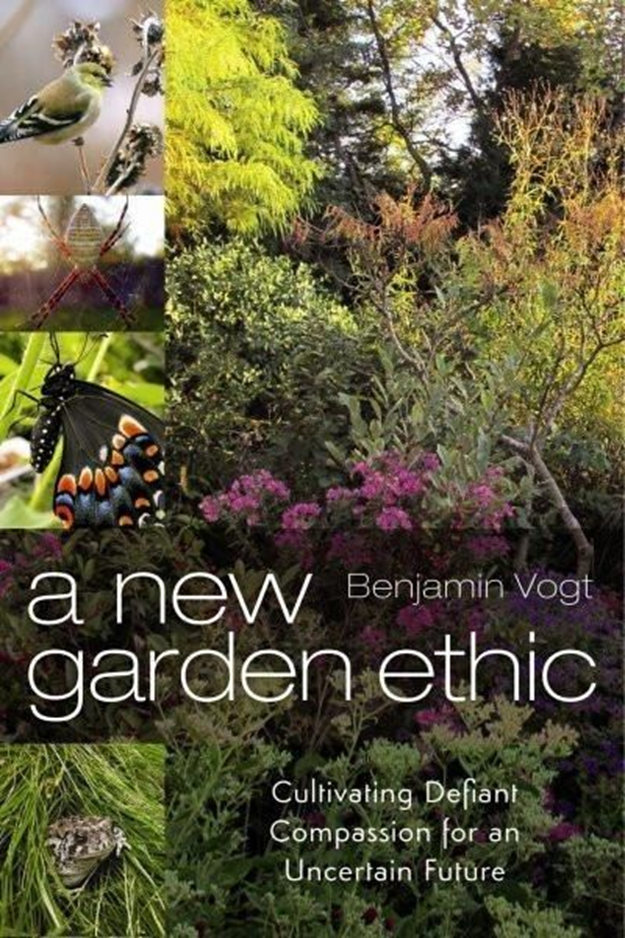
A New Garden Ethic by Benjamin Vogt
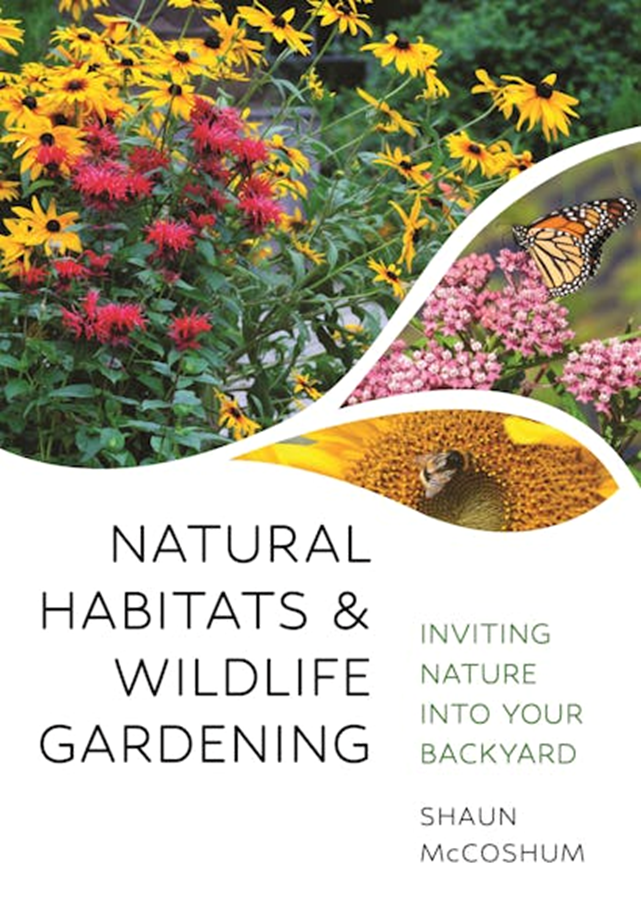
Natural Habitats and Wildlife Gardening by Shaun McCoshum.
Related podcasts:
Planting in a Post-Wild World: Thomas Rainer | Season 26 | Episode 1 | PBS
‘Planting in a Post-Wild World,’ with Thomas Rainer – A Way To Garden
Native Plant Design in a Post-Wild World | Thomas Rainer | joegardener
And also of interest:
Attracting Beneficial Garden Insects | Doug Tallamy | joegardener
The Importance of Native Plants | Mt. Cuba Center | joegardener
Wild Ones Chesapeake Bay is deeply rooted in native plants and cultivating partnerships, while striving to educate, advocate, and collaborate to connect people and native plants for a healthy planet. Our vision is native plants and natural landscapes thriving in every community. Check out our Events page, Google calendar, Facebook, and/or Instagram for our upcoming events. And don’t forget to subscribe to our new YouTube channel and email subscriber list!
