
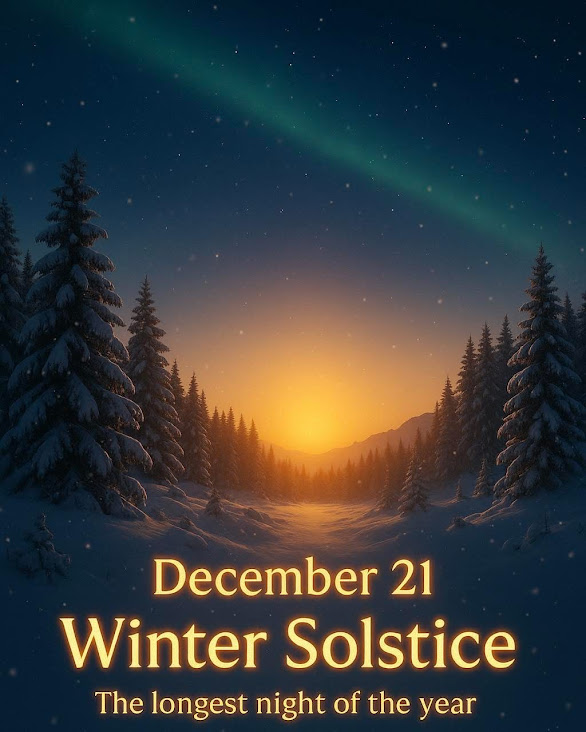
It’s the most wonderful time of the year! The winter solstice officially occurred today, December 21, 2025 at 10:03 am. Tonight marks the longest night of the year. As the sun reaches its lowest point in the sky, darkness lingers longer than on any other night. But from this moment on, the balance slowly shifts, as each day brings a little more light.
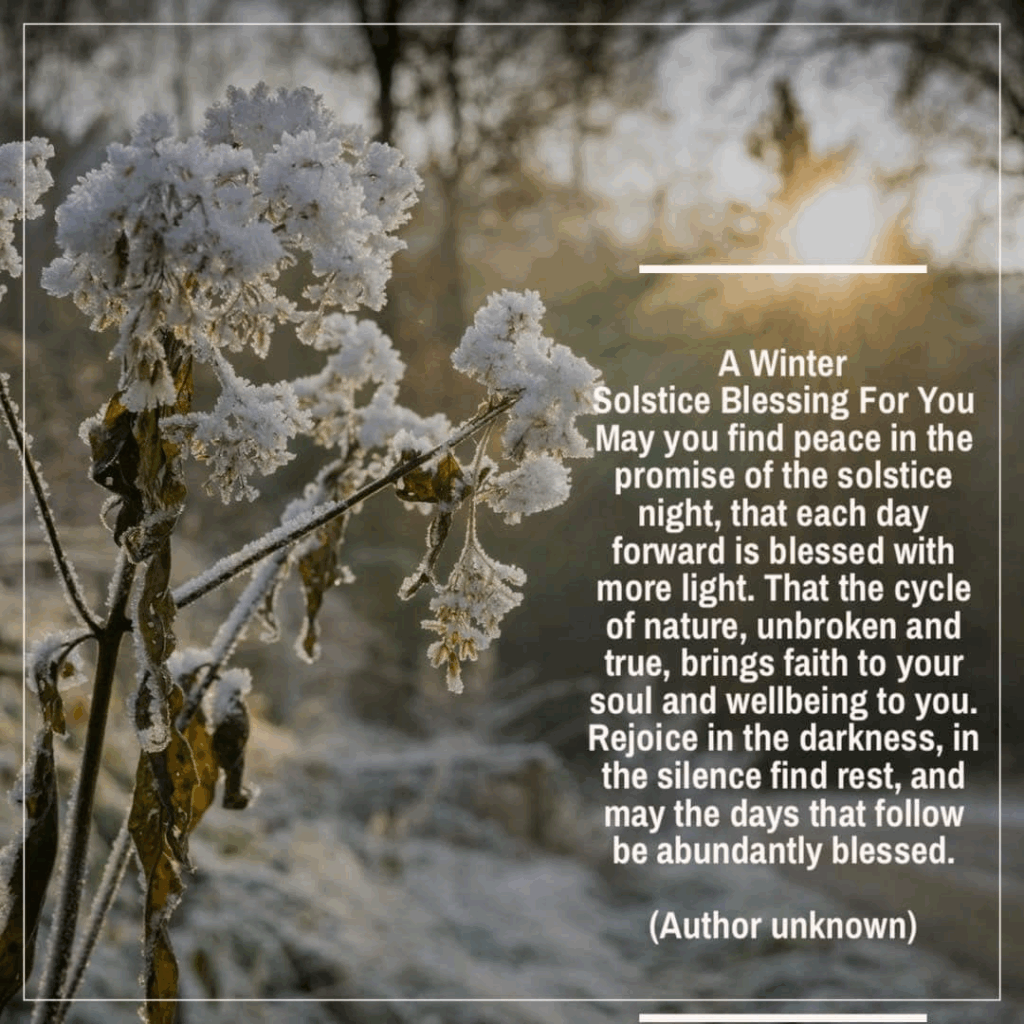
Across history, cultures have honored this night as a symbol of pause, reflection, and renewal — a quiet turning point in Earth’s endless rhythm. It’s the time of year when my thoughts turn to winter sowing.
My journey with winter sowing began in January 2021, using seeds gifted to me by friends. I had mixed results that first year, which lead me to watch every presentation I could find on seed collecting and germination. The best presentation I watched used the Lake County Seed Collection Guide for native plants, dividing seed heads into two main groups, those that are time sensitive vs those they called Mama’s Boys that hang on forever.
Countless gardeners, myself included, celebrate the winter solstice by winter sowing. Winter sowing can be done any time during the winter, but if done on the solstice, four sets of seeds can be sown to honor Remembrance, Life, Mother Nature, and Faith.
“Seeds of Remembrance should be seeds of flowers that remind us of someone we knew and loved but is now gone from our lives forever.
Seeds of Life should be seeds of plants that make fruit or nectar and invite birds, butterflies and other pollinators to our gardens.
Seeds of Trees should be sown to honor Mother Nature. Trees will help clean the air we breathe, reduce excess sun on the soil surface, and provide shade for our heads on any hot summery day.
Seeds of Faith are from plants that are a zone beyond ours in warmth; they thrive where winter is milder. Sowing them reminds us to take a ‘Leap of Faith’ in our hearts and trust that Mother Nature is capable of miracles.” ~ Trudi Davidoff
I typically start on the solstice (Dec 21) with a few select seeds for my traditional solstice sowing. Then I’ll sow seeds needing 90 or more days of cold moist stratification (CMS) before the end of the year. In January I’ll sow seeds that need 60 days of CMS; in February, 30 days CMS, and then I’ll sow my annuals and veggies in March.
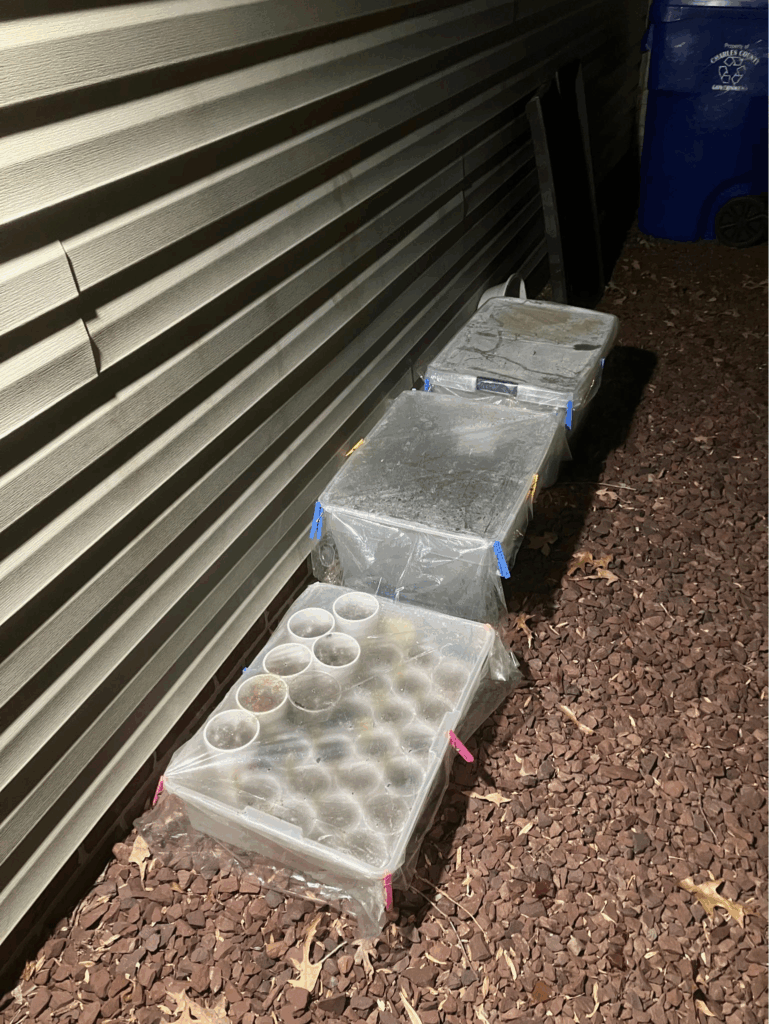
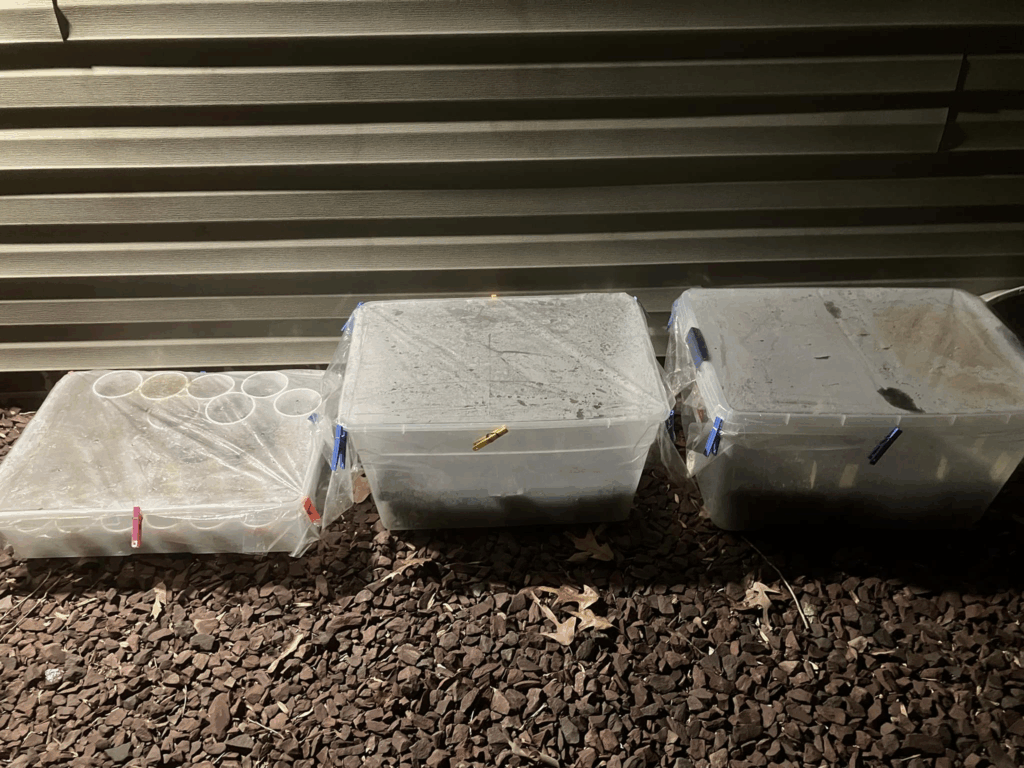
Over the past 5 years, I’ve given workshops on both winter sowing and seed collecting and cleaning. Be sure to check out our winter sowing and related blogs for more information. From a quick video tutorial to a recorded webinar, there’s something for everyone.
Wild Ones Chesapeake Bay is deeply rooted in native plants and cultivating partnerships, while striving to educate, advocate, and collaborate to connect people and native plants for a healthy planet. Our vision is native plants and natural landscapes thriving in every community. Check out our Events page, Google calendar, Facebook, and/or Instagram for our upcoming events. And don’t forget to subscribe to our YouTube channel and email list!
